Remodeling the interior of a home, particularly the kitchen, is an exciting endeavor that can enhance functionality, aesthetics, and property value. However, in San Diego, California, such projects often intersect with local building regulations designed to ensure safety, structural integrity, and compliance with zoning laws. The City of San Diego’s Development Services Department (DSD) oversees the permitting process, which is crucial for any work that involves modifications to electrical systems, plumbing, mechanical elements, or the building’s structure. Permits act as a safeguard, confirming that renovations meet federal, state, and local standards for building safety, accessibility, and public welfare. For kitchen remodels, this is especially pertinent because kitchens typically involve a mix of appliances, fixtures, and utilities that could pose risks if not installed correctly. Skipping permits might seem like a shortcut, but it can lead to costly fines, insurance complications, or even the need to undo completed work. This guide delves into the specifics of permitting for kitchen remodeling in San Diego, covering when permits are required, the types available, application steps, costs, inspections, and more, to help homeowners navigate the process smoothly.
First, it’s essential to determine whether your kitchen remodel requires a permit at all. In San Diego, not every interior update necessitates formal approval. Cosmetic changes that don’t alter the home’s systems or structure are often exempt. For instance, simple tasks like painting walls, installing new flooring, or replacing cabinets and countertops in their existing locations without relocating plumbing or electrical lines typically don’t need a permit. According to the San Diego Municipal Code §129.0203, exemptions include painting, papering, similar finish work, and repairs that replace components with similar materials for maintenance purposes, as long as the aggregate value doesn’t exceed $1,000 and no electrical or mechanical installations are affected. This means if you’re just refreshing your kitchen’s look, swapping out old laminate countertops for quartz or installing peel-and-stick backsplash tiles, you can proceed without DSD involvement. However, once the project escalates to involve significant alterations, permits become mandatory. Examples include relocating sinks, adding new appliances that require gas lines, rewiring for under-cabinet lighting, or knocking down walls to create an open-concept layout. These changes impact plumbing, electrical, or structural elements, triggering the need for oversight to prevent hazards like electrical fires, water leaks, or compromised load-bearing walls. In essence, if your remodel touches anything beyond surface-level aesthetics, assume a permit is needed to avoid potential issues down the line.
For projects that do require permits, San Diego offers several types tailored to the scope of work. The primary one is the Building Permit, required for constructing new structures or improving existing ones, including interior remodels like kitchens. Within this category, there’s the Combination Building Permit for single-dwelling units (SDUs) or duplexes, which is ideal for residential kitchen updates involving multiple trades. If your remodel is straightforward, such as updating fixtures without structural changes—you might qualify for a No-Plan Building Permit. This streamlined option applies to existing kitchens in Group R-2 or R-3 occupancies (like single-family homes or townhouses) where no structural elements, wall framing, or exterior walls are modified, and no new plumbing fixtures are added. It’s perfect for mid-level remodels like replacing countertops, installing new appliances in existing spots, or minor drywall repairs. Additionally, for work focused on mechanical, electrical, or plumbing (MEP) systems, common in kitchens, Simple Permits are available. These cover repair or replacement in kind, such as swapping out a water heater, upgrading electrical panels up to 200 amps, or installing exhaust fans, without needing full plan reviews. However, if your project involves historical properties (buildings 45 years or older or in historic districts), additional reviews are required, potentially disqualifying it from simple or no-plan options. Understanding these distinctions helps in selecting the right permit, saving time and money.
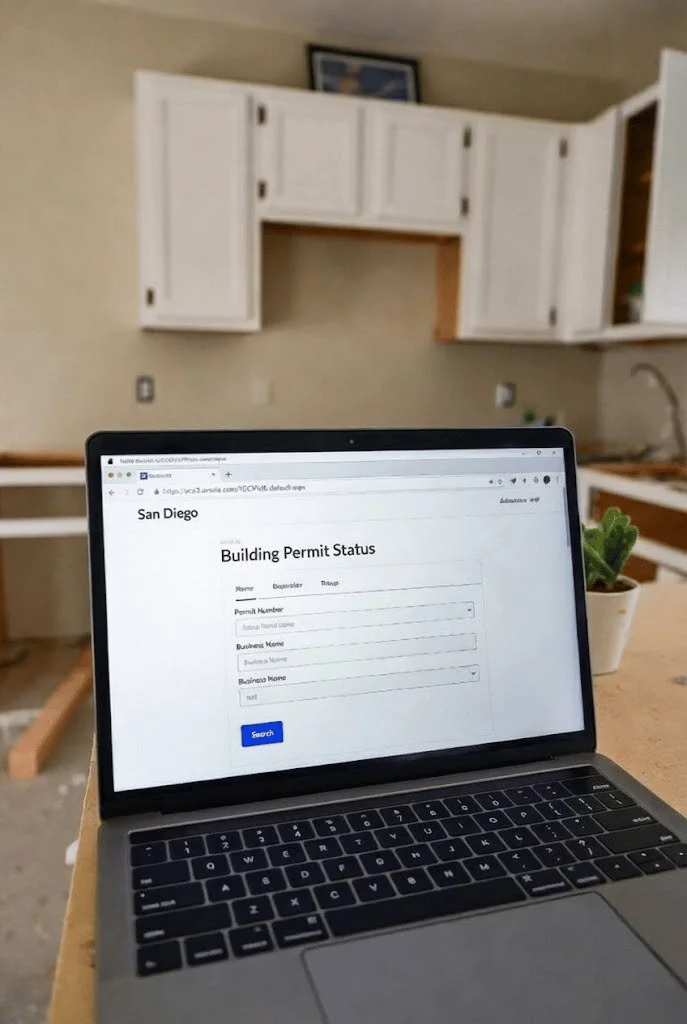
Applying for a permit in San Diego is a digital process, emphasizing efficiency through the city’s online portal. Start by visiting sandiego.gov/development-services and creating an account on the Accela Citizen Access platform. For a kitchen remodel, select the appropriate record type, such as Building Construction for general work or Combination Building for SDUs. You’ll need to upload required documents, including the Project Contacts Form (DS-345), the No-Plan Building Permit Supplemental Application (DS-6005) if applicable, and the Owner-Builder Verification Form (DS-3042) if you’re handling the work yourself (this must be notarized if not submitted in person). For projects in older homes, include a photographic survey and a copy of the building record from the County Assessor. If plans are needed (for more complex remodels), ensure they comply with CA Title 24 Energy Efficiency Standards, though interior alterations like kitchens are often exempt from energy forms. The portal uses tools like Scout™ for PDF validation and ePlanSNAPP for sheet numbering to streamline submissions.

Licensed contractors can receive permits immediately after payment, while homeowners typically wait two business days after form approval. Virtual appointments are available for guidance, and quicker options like Rapid Review or Express processing can expedite things for simple projects. The entire application might take days for over-the-counter approvals or weeks for detailed reviews, so plan accordingly, especially if your home is in coastal or historic zones where extra approvals from bodies like the Coastal Commission may apply.
Costs associated with permits for kitchen remodeling in San Diego vary based on project scope, valuation, and type. According to the city’s Fee Schedule for Construction Permits (Information Bulletin 501), residential remodels for SDUs or duplexes can incur plan review fees starting around $2,077 and permit fees of about $3,275 for the first unit, though these figures are for additions or larger remodels including ADUs. For tenant improvements or remodels (which can apply to interior work), plan review starts at $2,361, with additional fees per square foot. Simpler kitchen projects might fall in the $500 to $2,000 range, as estimated by local sources, covering basic building, MEP, or no-plan permits. Additional charges include development impact fees (if applicable, though rare for pure interior work), water/sewer fees via the Water Meter Data Card (DS-16) if fixtures change, and inspection fees. Fire-related systems, like kitchen hood suppression, add extra costs. Homeowners should also budget for professional services, such as architects or engineers for plans, which can push total permitting expenses higher.
For work done without prior approval, retroactive permits can cost $500 to $1,500 for kitchens, plus potential fines. Always calculate based on your project’s estimated valuation; the city charges incrementally, like 28 cents per $1,000 for certain constructions. Comparing this to surrounding areas, San Diego’s fees are on the higher side due to stringent coastal regulations, but they ensure long-term safety and resale value.
Once a permit is issued, inspections are a critical step to verify compliance. In San Diego, you can schedule inspections online or via phone after payment. For no-plan permits, a pre-construction inspection is mandatory to confirm the building’s legal status and that the work qualifies as in-kind replacement. During the remodel, inspectors check phases like rough plumbing, electrical rough-in, framing (if walls are opened), and final installation to ensure everything meets code. For kitchens, this might include verifying proper ventilation for range hoods, GFCI outlets near sinks, and secure gas connections. If issues arise, such as unqualified work, the inspector may require plans or corrections, potentially delaying the project. Passing all inspections results in a final approval, closing the permit and allowing occupancy. Homeowners should document everything, as open permits can complicate home sales
Special considerations apply in San Diego due to its unique geography and history. If your home is in a coastal zone, projects may need Coastal Development Permits, adding layers of review for environmental impact. Historic districts or buildings over 45 years old require a photographic survey and historic review, even for interior work, to preserve cultural heritage. Energy efficiency under Title 24 is emphasized, though not always mandatory for interiors. For multi-family units, restrictions are tighter, often excluding simple permits. These factors can extend timelines, so early consultation with DSD is advisable.
Failing to obtain necessary permits can have severe repercussions. Unpermitted work may result in stop-work orders, fines up to $1,000 per day, or mandates to demolish and redo the remodel. Insurance companies might deny claims for damages from faulty installations, and when selling your home, buyers’ inspections could reveal issues, lowering offers or requiring retroactive permitting at higher costs. In extreme cases, it could affect property taxes or lead to legal disputes.
While permitting for kitchen remodeling in San Diego might seem bureaucratic, it’s a vital process that protects your investment and safety. Start by assessing your project’s scope against exemptions, then apply online with the right documents. Budget for fees and inspections, and consider hiring licensed professionals to handle complexities. By following these steps, you’ll achieve a compliant, high-quality remodel that adds lasting value to your home. For personalized advice, reach out to use here at Mercury Builders, as our team is very familiar with San Diego’s regulations. With proper planning, your dream kitchen can become a reality without unnecessary hurdles.