Multi-use rooms are no longer a niche idea, and homeowners are quickly seeing the benefits of having flexible use spaces to add value to their lives and home. As a design-build remodeling company, we see more clients asking how to turn bedrooms, basements, and garages into flex spaces that function as a home office, guest suite, home gym, or rental ADU without feeling cramped or cluttered.
| Common Questions | Helpful Quick Answers |
|---|---|
| What is a multi-use room in a home? | A multi-use room is a single area planned for two or more daily functions, such as a guest room plus home office, or a gym in garage combined with storage. Projects like room additions and ADUs make this easier by adding customized square footage. |
| Where should I start if I want a flex space? | Start by deciding which activities matter most, then choose the right area, such as a spare bedroom, a basement, or a garage conversion ADU using services like our ADU construction. |
| Can a garage really become a comfortable flex space? | Yes, a garage can become a climate-controlled home gym, workshop, or small apartment with proper insulation, finishes, and layout planning. |
| What rooms are best to convert into multi-use rooms? | Bedrooms, basements, and garages are the most flexible, and full home updates like those in our full home remodeling services make it easier to coordinate finishes and flow across the house. |
| How do multi-use rooms affect resale value? | Buyers increasingly look for flex spaces that can handle hybrid work, fitness, and guest hosting, and well-planned additions and ADUs, like those featured in our project portfolio, tend to support property value. |
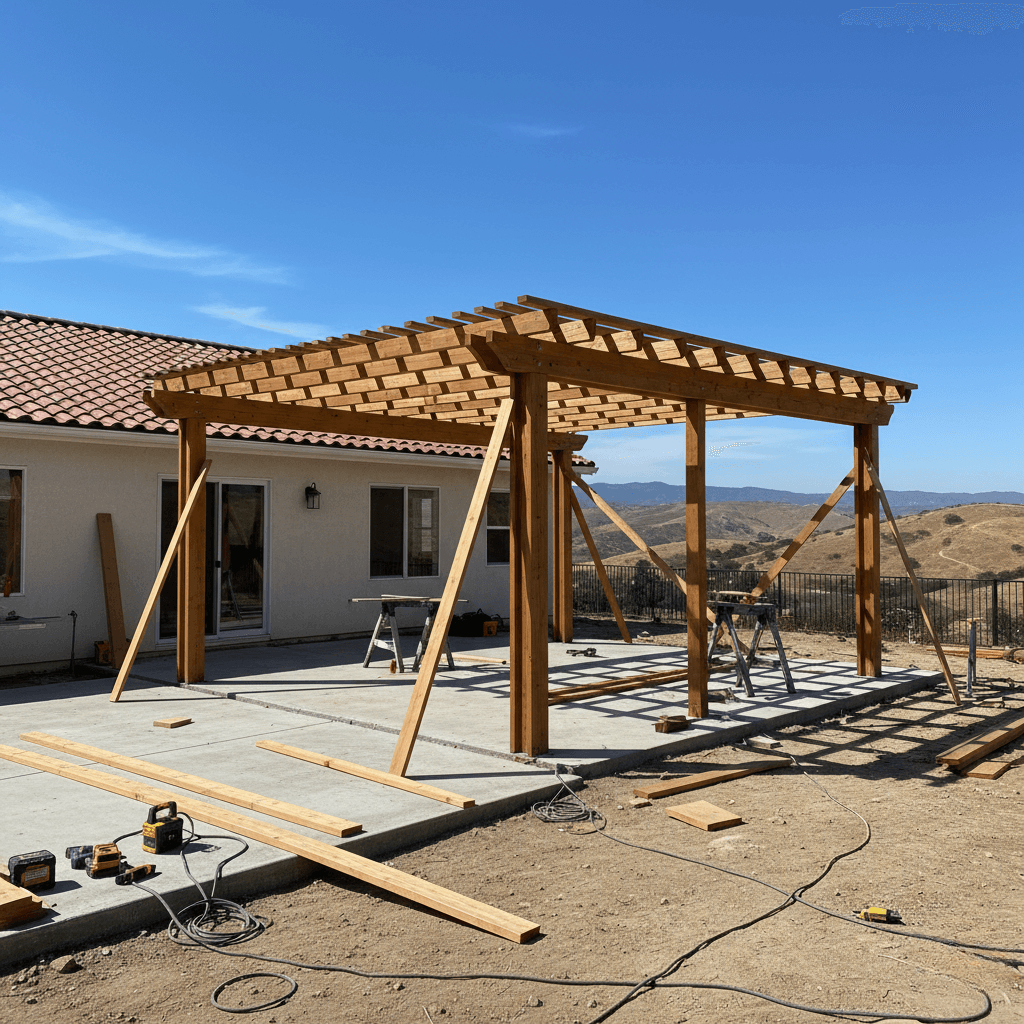
| Can outdoor areas support multi-use living? | Yes, covered patios and outdoor rooms can extend flex spaces for entertaining, dining, and relaxation, particularly when combined with backyard remodeling and deck design. |
What Makes A Great Multi-Use Room In Today’s Homes?
We define a multi-use room as any space designed to support multiple daily functions comfortably, without feeling like a compromise. A single room might shift from home office in the morning, to homework station in the afternoon, to guest bedroom at night, all through planned layouts and modular cabinetry.
Good flex spaces always start with clarity about priorities. We help clients rank their needs, such as remote work, exercise, storage, or rental income, then match those needs with the right room type and construction scope, from light remodeling to full additions or ADUs.
Core Principles Of Effective Flex Spaces
- Defined zones for each function, even within one room.
- Modular cabinetry for storage, fold-away desks, or murphy beds.
- Durable finishes that handle office chairs, gym equipment, or guests.
- Lighting layers so the space feels right for work, rest, or workouts.
When we plan multi-use rooms, we also look ahead. Families often anticipate future needs, such as aging parents or long-term hybrid work, and we size and wire rooms to handle those changes without major demolition later.
Planning Multi-Use Rooms: Bedrooms, Basements, Or Garages?
Most homes already have a candidate for a flex space, usually a secondary bedroom, an unfinished or underused basement, or a garage with more storage than cars. We help clients decide which area offers the best balance of size, privacy, and access to plumbing or natural light.
Bedrooms often work best for home office and guest room combinations, while basements and garages are ideal for a home gym or media area due to their separation from main living spaces. For some properties, a dedicated ADU creates even more flexibility for renters, guests, or independent family members.
Choosing The Right Room For Your Flex Space
| Area | Best Multi-Use Roles | Key Benefits |
|---|---|---|
| Spare bedroom | Home office + guest room | Built-in egress, comfortable proportions, close to bath |
| Basement | Media room, home gym, playroom | Acoustic separation, room for larger equipment |
| Garage | Gym in garage, workshop, ADU | Existing structure, easy exterior access |
Once we identify the right room, we look at circulation and storage first. Clear walkways and built-in storage keep a multi-use room feeling ordered, so different functions do not visually clash.
Designing A Bedroom That Doubles As A Home Office
Converting a bedroom into a multi-use room is often the fastest way to add a home office without expansion. We typically start with adaptable floor plans that place the desk where natural light supports work, then we integrate a murphy bed or daybed that looks like seating when not in use.
Modular cabinetry is critical here, since paperwork, tech, and linens all need discrete storage. We like to build tall wardrobe units with integrated file drawers and a pull-down work surface, so the home office can close up visually when guests stay over.
Key Bedroom Flex Space Features
- Wall beds or sofa beds to free floor space for daily use.
- Built-in closets with office zones behind doors or panels.
- Acoustic upgrades if calls and video meetings are frequent.
In our bedroom-to-office projects, we also plan electrical outlets and data ports for multiple monitor setups and printers. That way, you avoid cords running across the room when the space flips between home office and guest use.
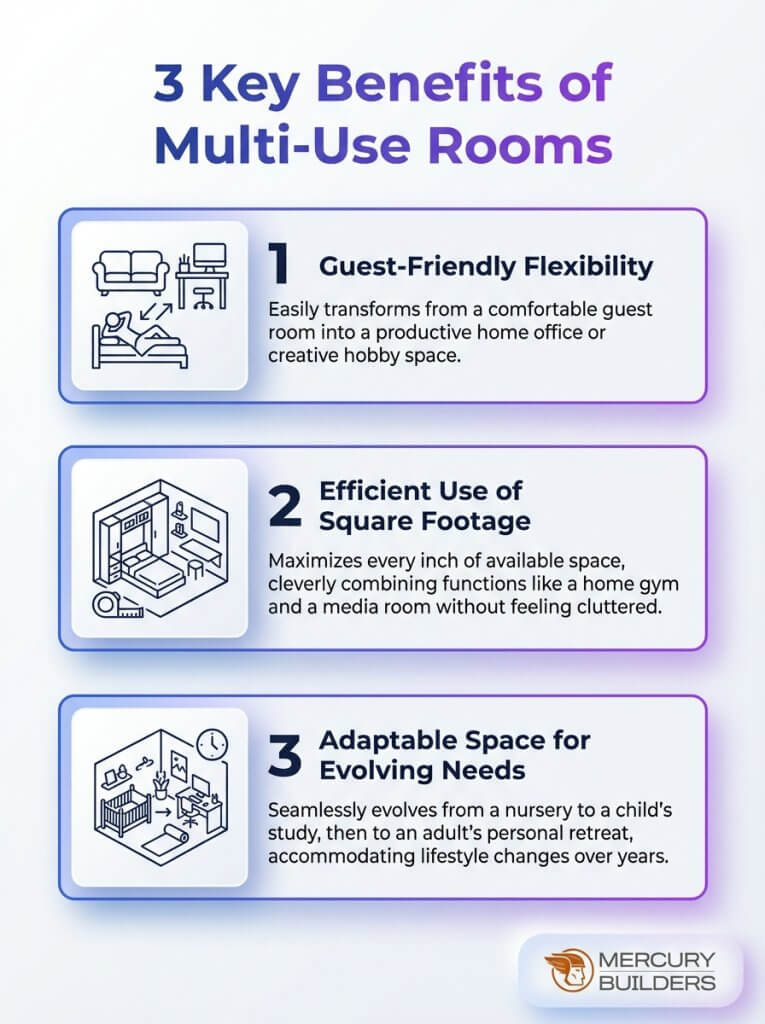
This infographic highlights three key benefits of multi-use rooms, showing how flexible spaces boost collaboration and efficiency.
Turning A Basement Into A Family Flex Space Or Home Gym
Basements naturally lend themselves to multi-use rooms because of their open footprints. We often divide them into zones using furniture, partial walls, or ceiling changes so one side can be a media lounge, while the other becomes a home gym or play area.
For gym zones, we specify impact-resistant flooring and plan for heavier electrical loads if you use powered cardio machines. If the same basement also serves as a guest suite, we add modular cabinetry for linens and install a full or half bath where plumbing lines make sense.
Basement Flex Space Layout Ideas
- Place the media area near existing windows for natural light and ventilation.
- Locate the home gym deeper inside, with rubber flooring and mirror panels.
- Use built-in cabinetry to define a small office nook that shares the same footprint.
Basement multi-use rooms benefit from thoughtful lighting. We layer ambient recessed fixtures with wall sconces and task lights so the same room feels right for movie nights, workouts, or focused work.
Did You Know?
The median price point for multipurpose room installations stayed at $37,500 in 2024, giving homeowners a practical benchmark for planning their own flex space budgets.
Source: CE Pro
Creating A Gym In Garage That Still Stores What You Need
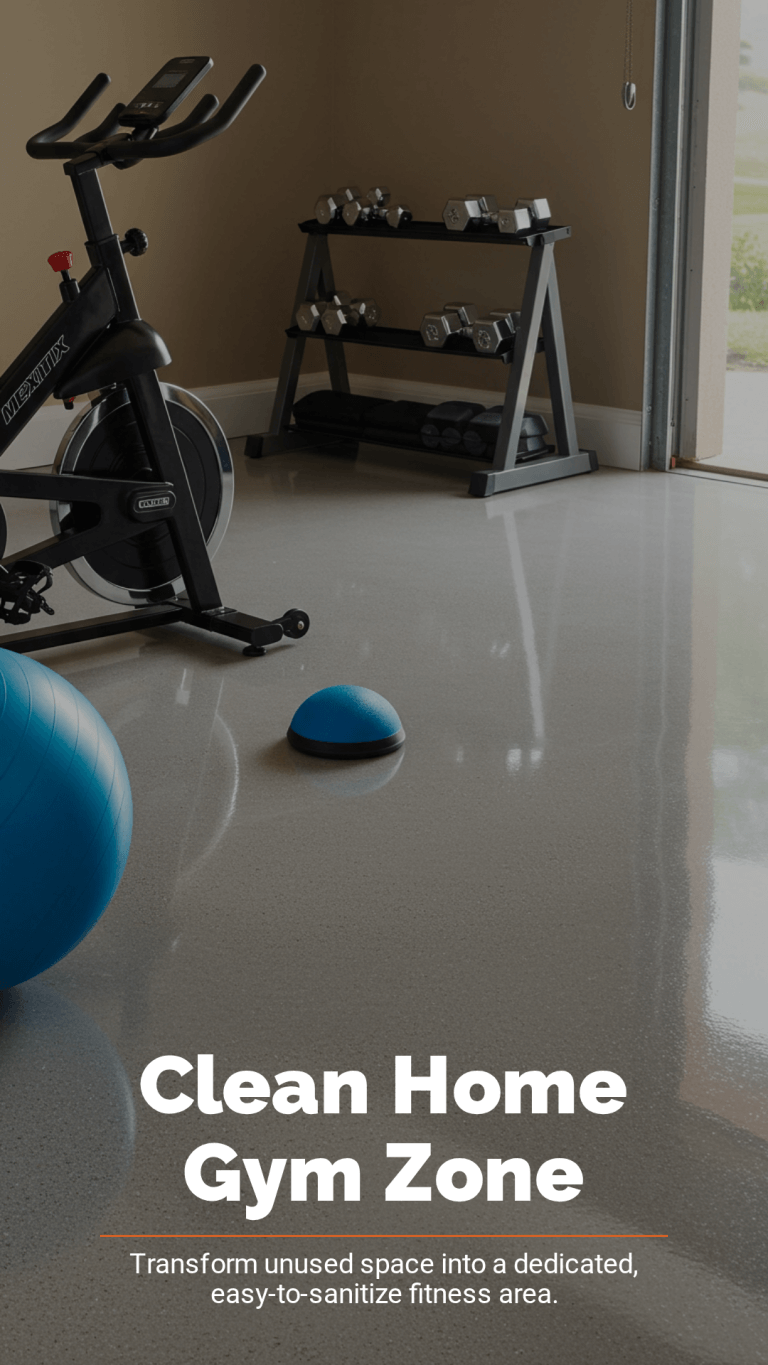
Many homeowners want a home gym but cannot give up an entire room. A gym in garage setup solves this by combining fitness, storage, and sometimes a small workshop inside one multi-use room.
We usually start by insulating walls and upgrading the garage door or replacing it with a framed wall and windows if the space becomes a long-term flex room. Then we design modular cabinetry along one or two walls to hold tools, seasonal items, and gym gear, keeping the center open for movement.
Garage Flex Space Checklist
- Climate control with proper insulation and possibly mini-split HVAC.
- Durable flooring like sealed concrete or rubber tiles for gym zones.
- Ceiling or wall storage for bikes, totes, and infrequently used items.
When clients also want the option to convert the garage into an ADU later, we plan plumbing locations, electrical panels, and window placements up front. That way, the room can adapt from gym in garage to a rentable studio with minimal rework.
Accessory Dwelling Units (ADUs) As Ultimate Multi-Use Rooms
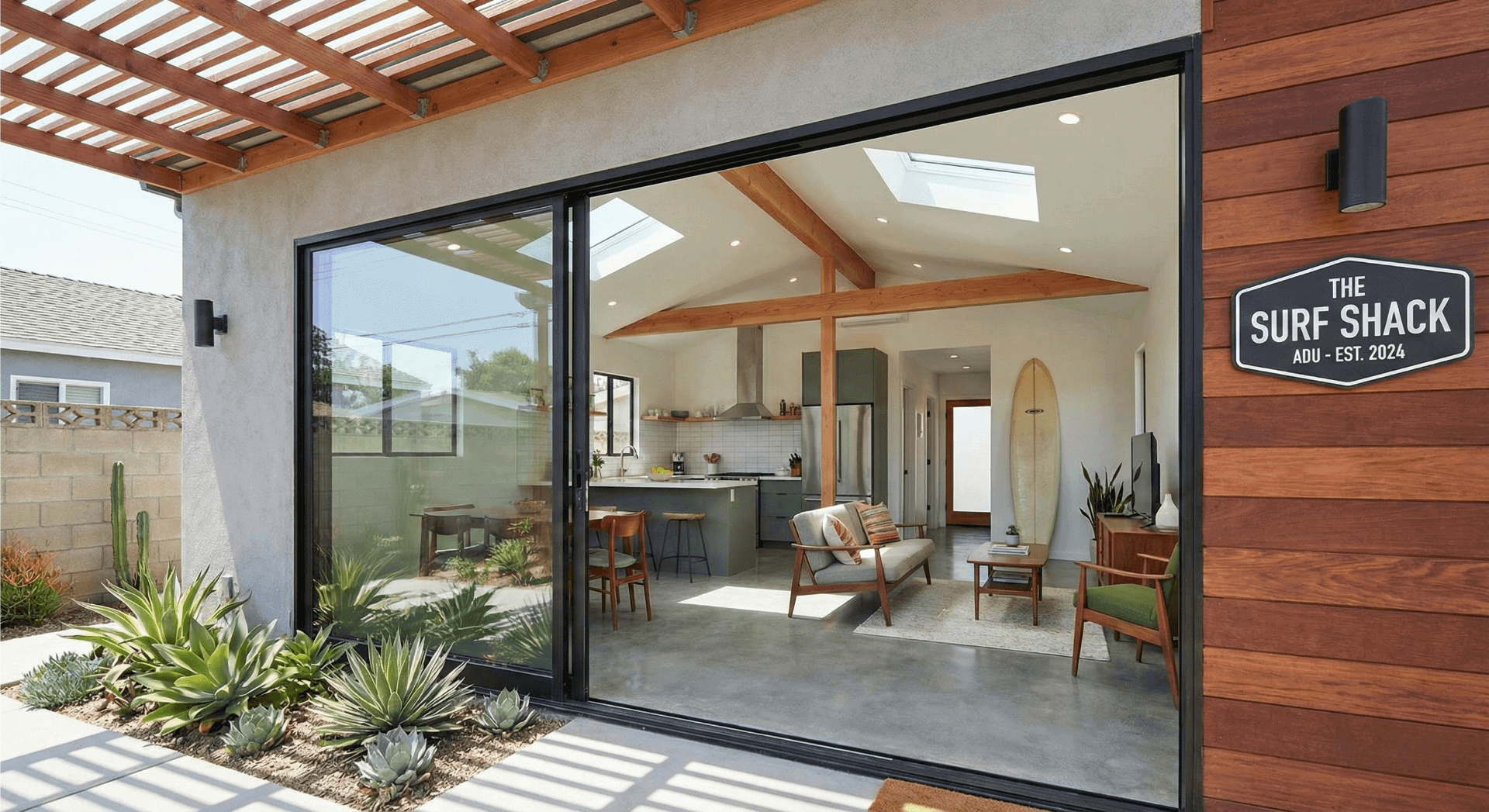
ADUs are essentially self-contained multi-use rooms with a kitchen, bath, and sleeping area in one compact footprint. From our perspective, they are the most flexible type of space, since they can serve as a rental, a guest house, a home office suite, or long-term family housing.
We build detached ADUs, attached ADUs, and garage conversion ADUs, each with its own design opportunities. Inside, modular cabinetry and adaptable floor plans allow a living room to double as a workspace, and a sleeping area to shift between everyday use and guest hosting.
Common ADU Multi-Use Scenarios
- Short-term rental plus personal guest suite in off-season.
- Home office plus occasional therapy studio or consulting room.
- Independent living for adult children that can convert to caregiver housing later.
Because ADUs must feel open and efficient, we often use built-in seating with storage, compact kitchen layouts, and sliding doors. These elements help one small structure act like several rooms at once without feeling cramped.
How Modular Cabinetry Makes Multi-Use Rooms Work
Modular cabinetry is at the heart of almost every flex space we design. These systems give you floor-to-ceiling storage that can hide office supplies, bedding, workout gear, and kids’ toys, so the room always looks intentional.
We often specify combinations of tall wardrobes, base cabinets with drawers, and open shelving that can be reconfigured over time. In bedrooms or ADUs, we integrate fold-down desks or murphy beds into the cabinetry, so entire functions disappear behind a clean panel when not needed.
Cabinetry Features For Flex Spaces
- Adjustable shelves that shift with changing hobbies and gear.
- Deep drawers sized for files, small appliances, or gym accessories.
- Built-in lighting inside cabinets for easier access and a finished look.
In garages and basements, we use more rugged cabinet lines with durable finishes. This keeps the multi-use room practical for storage while still supporting a clean, finished appearance for daily living.
Did You Know?
Hospitality industry forecasts suggest that between 300,000 and 400,000 U.S. hotel rooms will be renovated or converted in 2025 to repurpose underused spaces, reflecting the same shift toward flexible, multi-use design we see in homes.
Source: Hospitality Net
Lighting, Finishes, And Comfort In Multi-Use Rooms
A successful flex space feels comfortable in every role it plays. We pay close attention to lighting layers, sound control, and finishes that support both quiet work and active living.
For lighting, we combine overhead ambient light with dimmable task lights and accent fixtures. This allows a home office to stay bright during the day, while the same room can feel calm and soft when used as a guest room or media area.
Finish Choices For Flexibility
- Neutral walls that suit both professional and personal activities.
- Durable flooring like epoxy coatings, LVP or hardwood that tolerates chairs and gym gear.
- Acoustic treatments such as rugs, drapes, or wall panels for quieter calls.
We also plan temperature comfort, especially in garages and basements that become multi-use rooms. Insulation, air sealing, and the right HVAC solution keep these spaces inviting year-round.
Integrating Flex Spaces With Outdoor Living
Multi-use rooms work even better when they connect smoothly to outdoor areas. A home office that opens to a deck, or a gym in garage that steps out to a small patio, instantly feels larger and more flexible.
We often pair interior flex spaces with patios, decks, or low-maintenance landscaping. Sliding doors or large windows provide natural light for the interior and make it easy to expand activities outside during good weather.
Indoor-Outdoor Flex Space Ideas
- Home office with direct access to a small seating area outside.
- Basement media room connected to a walk-out patio for gatherings.
- Garage flex space opening to a covered workout or yoga zone.
Outdoor lighting and hardscaping matter too. When we design these connections, we consider how people will move between interior flex spaces and decks or yards at different times of day.
Budgeting And Phasing Your Multi-Use Rooms
Every multi-use room project starts with a clear budget and a plan for phasing if needed. Since typical multipurpose room installations center around a median of about $37,500, many homeowners choose to tackle their highest-priority flex space first, then layer on additional features later.
We help clients decide which investments deliver the most impact for their current lifestyle. Structural changes, insulation, and electrical work usually come first, followed by modular cabinetry, finishes, and furnishings as budgets allow.
Sample Phasing Approach For A Flex Space
Phase 1: Structural updates, insulation, rough electrical, and basic finishes.
Phase 2: Modular cabinetry, built-in desks or beds, and upgraded lighting.
Phase 3: Optional ADU-level additions such as a kitchenette or full bath.
By planning the final layout in advance, even a phased project stays coherent. We rough in utilities and structural support so future additions do not require tearing apart finished walls or floors.
Multi-use rooms give your home the flexibility to keep up with how you actually live, whether that means working from home, staying active with a home gym, or hosting guests without losing everyday functionality. By combining adaptable floor plans, modular cabinetry, and thoughtful lighting and finishes, we can turn bedrooms, basements, garages, or ADUs into flex spaces that feel natural and comfortable in every role they play.
If you are considering a home office, a gym in garage, or a new ADU that acts as a long-term flex space, careful planning at the start will save money and disruption later. Our team focuses on designing multi-use rooms that work hard today and stay adaptable for tomorrow’s needs.