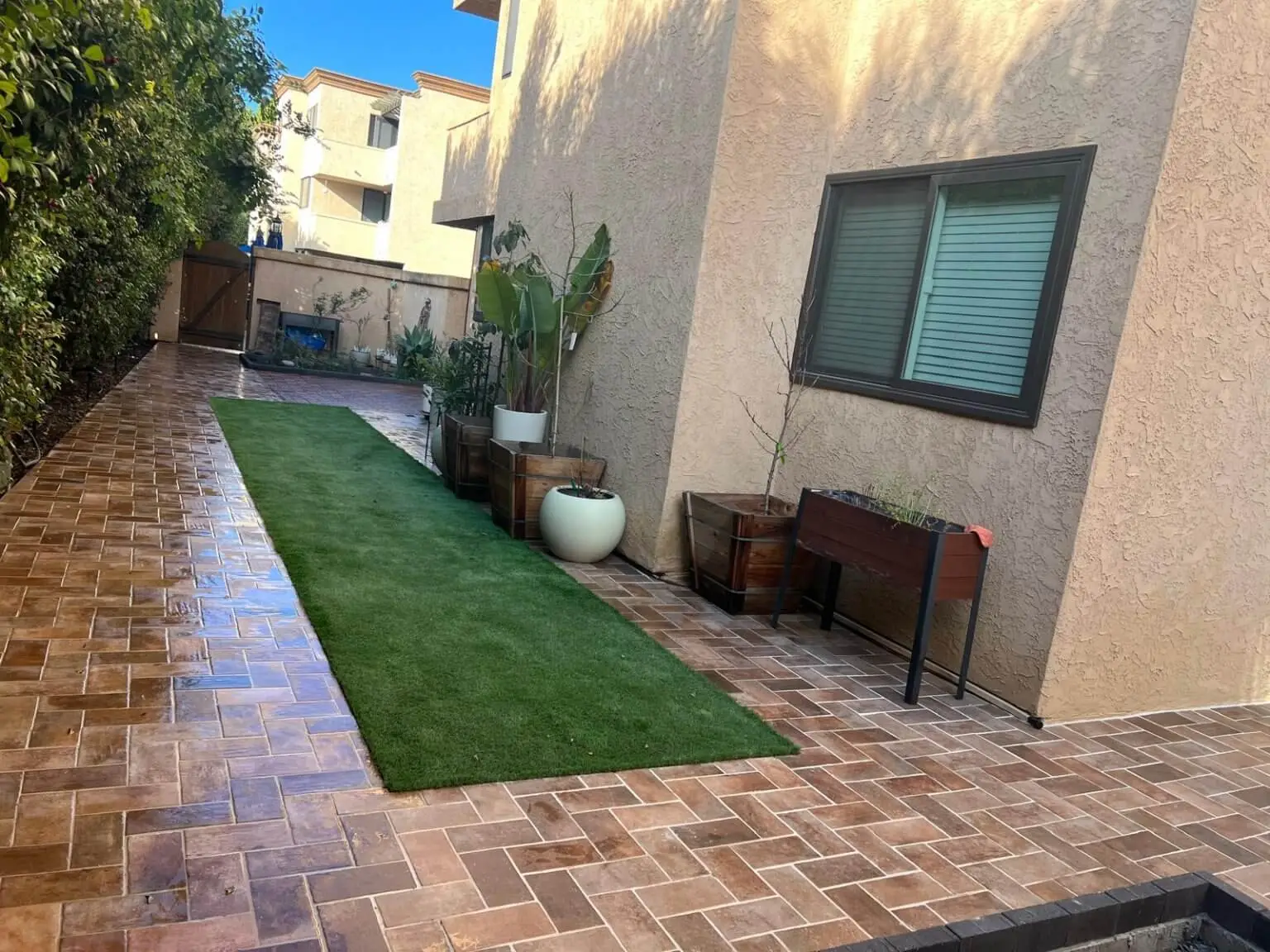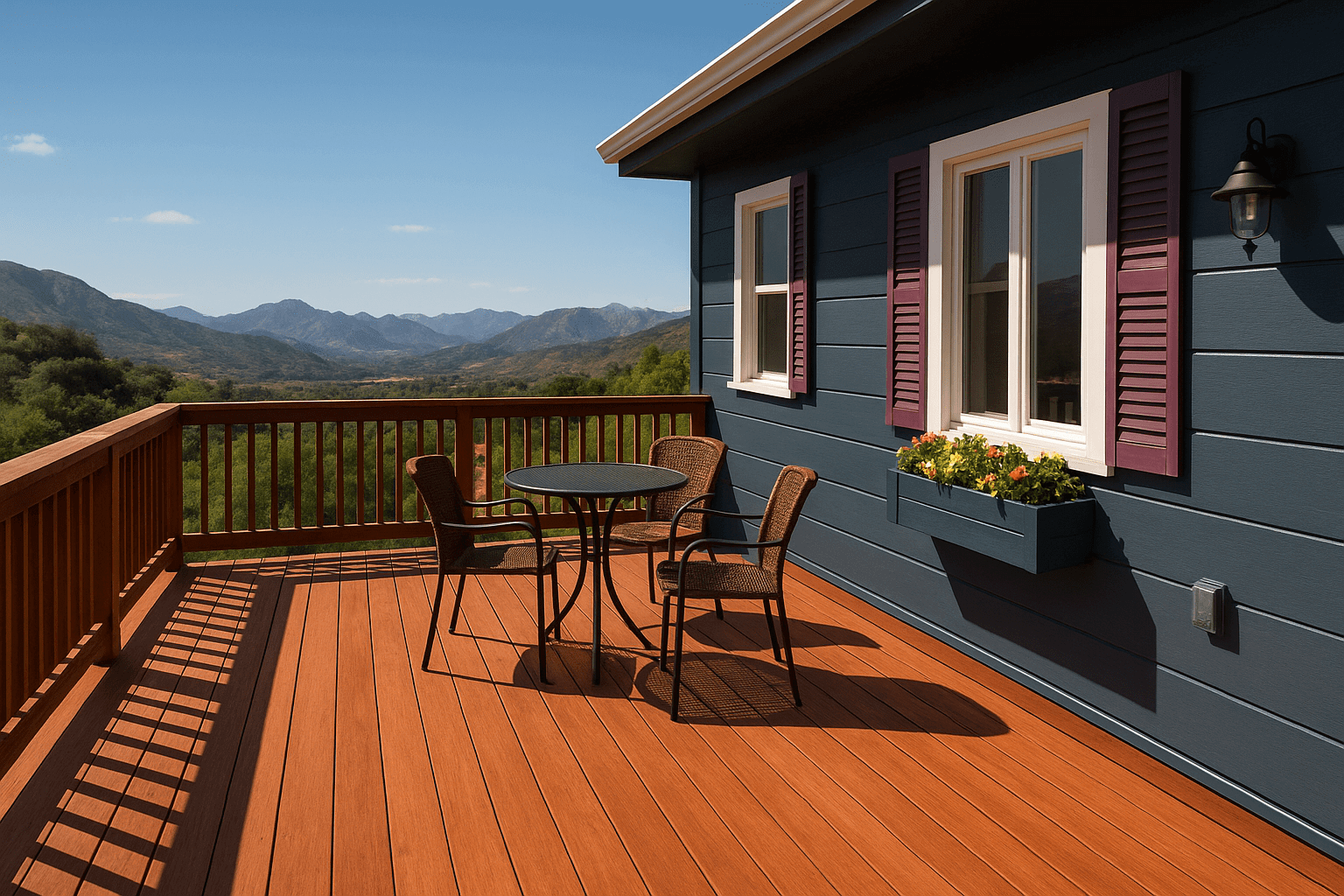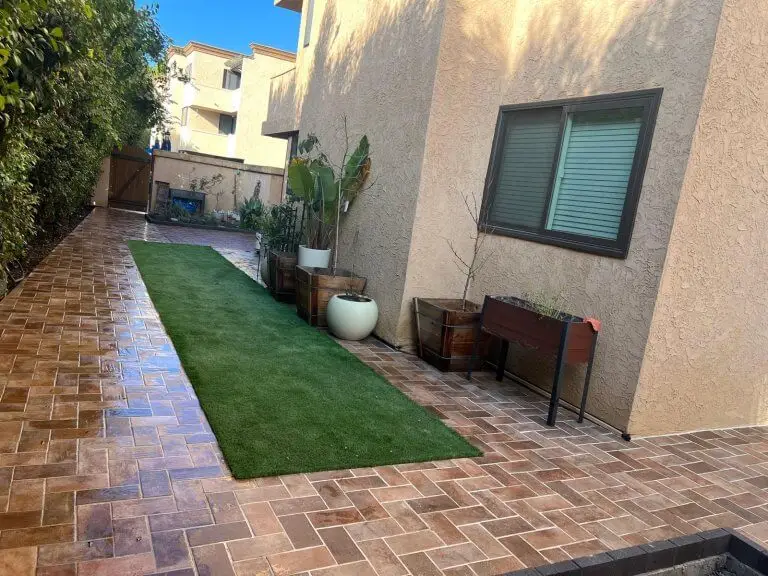
When heavy rain hits, your outdoor surfaces make the difference between a yard that sheds water cleanly and one that floods your patio, undermines your deck footings, or sends runoff straight into your neighbor’s property. Storm-resilient permeable hardscaping is one of the smartest investments a San Diego homeowner can make in 2026, and the numbers back it up: average runoff reduction of more than 85% has been measured for a permeable city alley, proving that the right hardscape materials do not just look good, they actively protect your property during every storm.
Key Information:
| Question | Answer |
|---|---|
| What is storm-resilient permeable hardscaping? | It refers to outdoor hard surfaces (pavers, gravel systems, permeable concrete) designed to absorb and filter stormwater rather than shed it as runoff, reducing flooding, erosion, and water pollution. |
| Which hardscaping materials are most permeable? | Interlocking permeable pavers, pervious concrete, decomposed granite, and open-grid systems are the most widely used options for driveways, patios, and pathways. |
| Does permeable hardscaping work in San Diego’s climate? | Yes. San Diego’s infrequent but intense rain events make permeable surfaces especially valuable because traditional hardscapes cannot absorb sudden, high-volume storm flows. |
| How does a retaining wall fit into a permeable hardscape system? | A properly designed permeable retaining wall system uses drainage aggregate and weep holes to move water through the wall rather than building pressure behind it during storms. |
| What does a storm-resilient hardscape renovation cost? | Costs vary based on scope, materials, and site conditions. We recommend a free consultation to get an accurate, transparent estimate for your specific project. |
| Do I need permits for permeable hardscape construction in San Diego? | Depending on scope and drainage alterations, permits may be required. Our team handles permit acquisition and approvals as part of every project. |
| How long does permeable hardscape construction take? | Most residential projects run one to three weeks depending on scale. You receive daily progress updates throughout so you always know where your project stands. |
What Is Storm-Resilient Permeable Hardscaping?
Storm-resilient permeable hardscaping describes any hard outdoor surface engineered to allow water to infiltrate the ground rather than run off into storm drains, neighboring properties, or low points in your yard.
Unlike conventional solid concrete or asphalt, permeable hardscape systems use void spaces, open-jointed materials, or porous aggregates to slow, filter, and absorb rainfall. This is especially important in San Diego where brief, intense winter storms can dump a significant volume of water in a short window.
The term covers a broad family of materials and systems, including permeable interlocking concrete pavers (PICP), pervious concrete slabs, gravel-filled grid systems, decomposed granite pathways, and porous asphalt. Each material suits different applications, from a front-yard driveway installation to a backyard patio, side-yard pathway, or retaining wall base drain system.
What makes a hardscape truly “storm-resilient” is not just permeability alone. It is the combination of the right surface material, a properly engineered sub-base, integrated drainage, and strategic landscape grading working together as a system.
Best Permeable Hardscaping Materials for Storm-Resilient Outdoor Surfaces
Choosing the right material is the foundation of any successful storm-resilient hardscape project. Each option carries different performance characteristics, maintenance requirements, and visual styles to suit your landscape and home design.
Permeable Interlocking Concrete Pavers (PICP)
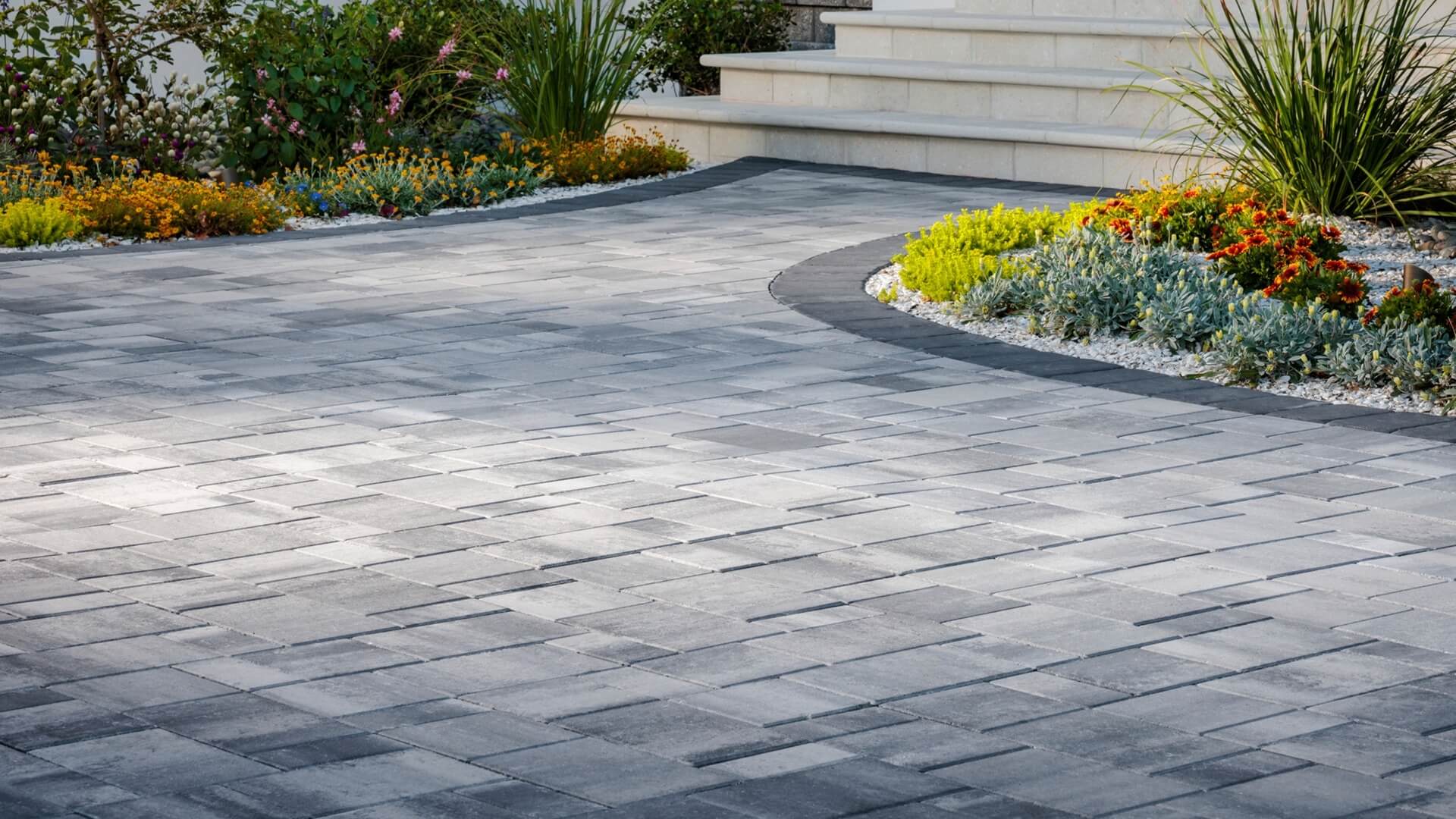
PICP is the most popular choice for residential driveways and patios because it combines structural strength with excellent drainage. The joints between pavers are filled with permeable aggregate, allowing water to pass through freely while the pavers themselves carry vehicle and foot loads without cracking.
In San Diego, PICP works especially well for driveway renovation projects where existing impermeable surfaces have been contributing to runoff problems for years. Our modern paver driveway designs incorporate this system as a standard offering.
Pervious Concrete
Pervious concrete looks similar to standard concrete but contains very little fine aggregate, leaving interconnected voids that water flows through quickly. It is a cost-effective choice for larger surface areas like rear patios or service areas.
One key consideration for our San Diego clients: pervious concrete requires periodic vacuum sweeping to keep the voids free of sediment and debris. We include maintenance guidance with every project so you know exactly how to protect your investment.
Decomposed Granite and Gravel Systems
For landscape pathways, side yards, and low-traffic areas, decomposed granite (DG) and open-graded gravel systems offer excellent permeability at a lower cost per square foot. These materials also pair beautifully with drought-tolerant planting schemes.
We frequently incorporate DG pathways into our lower-water landscape designs because they address both water management and irrigation efficiency in one move.
Open-Grid Paving Systems
Open-grid systems use plastic or concrete cells filled with gravel or grass to create load-bearing surfaces with near-100% permeability. They work well for overflow parking areas, pool surrounds, and secondary patio zones where you want maximum infiltration without sacrificing a clean, finished appearance.
How Storm-Resilient Permeable Hardscaping Protects Your Patio and Deck
Your patio and deck are the most used outdoor surfaces on your property, and they are also the areas most affected by stormwater mismanagement.
A conventional solid concrete patio sheds nearly all rainfall directly away from the slab, which sounds fine until that water pools against your home’s foundation, undermines deck footings, or saturates adjacent landscape beds beyond their capacity to absorb it.
Storm-resilient permeable hardscaping around your patio perimeter or as the patio surface itself moves water down through the profile before it can cause problems. This protects the structural integrity of nearby deck posts and retaining wall bases, extends the life of your patio slab, and keeps your landscape from eroding after every storm.
For deck construction specifically, permeable gravel or paver bases beneath and around the deck allow drainage at the footing level, reducing frost heave risk in cooler inland San Diego areas and preventing the pooling that accelerates wood rot in composite and wood decks alike.
We approach every patio and deck project through our Discovery, Design, Build, Warranty process. Before a single material is selected, our team evaluates your site’s natural drainage patterns, existing soil permeability, and proximity to structures so the final hardscape design works with your yard’s hydrology, not against it.
Landscape and Hardscape Integration for Maximum Storm Resilience
Storm-resilient permeable hardscaping does not exist in isolation. It works best when the surrounding landscape is designed as part of the same water management system.
A well-integrated landscape uses rain gardens, swales, and drought-tolerant plantings positioned at low points to capture overflow from permeable surfaces during especially intense storm events. This layered approach gives your property multiple lines of defense against flooding and erosion.
Our landscape remodeling services in San Diego incorporate hardscape and softscape planning together from the start. Rather than designing a patio and then figuring out where the water goes, we model the full drainage picture during the design phase, including 3D renderings that show how storm flows will move across your finished property.
Grading is another critical factor. Even the most permeable hardscape surface will fail to perform if the surrounding ground slopes water toward rather than away from your home. During our renovation process, we assess and correct grading issues as part of every hardscape project, not as an add-on.
We also integrate permeable hardscape concepts into our backyard remodeling projects as a default practice in 2026, because San Diego homeowners increasingly understand that a beautiful outdoor space needs to be a functional one too.
Retaining Wall Design in Storm-Resilient Permeable Hardscape Systems
A retaining wall is one of the most structurally demanding elements in any outdoor hardscape project, and it is also one of the most vulnerable to stormwater damage when not properly designed.
Hydrostatic pressure, which is the force water exerts against a wall as it saturates the soil behind it, is the leading cause of retaining wall failure. In San Diego, where large rain events can occur after extended dry periods, soil absorption is low at the start of a storm, meaning water quickly builds up behind improperly drained walls.
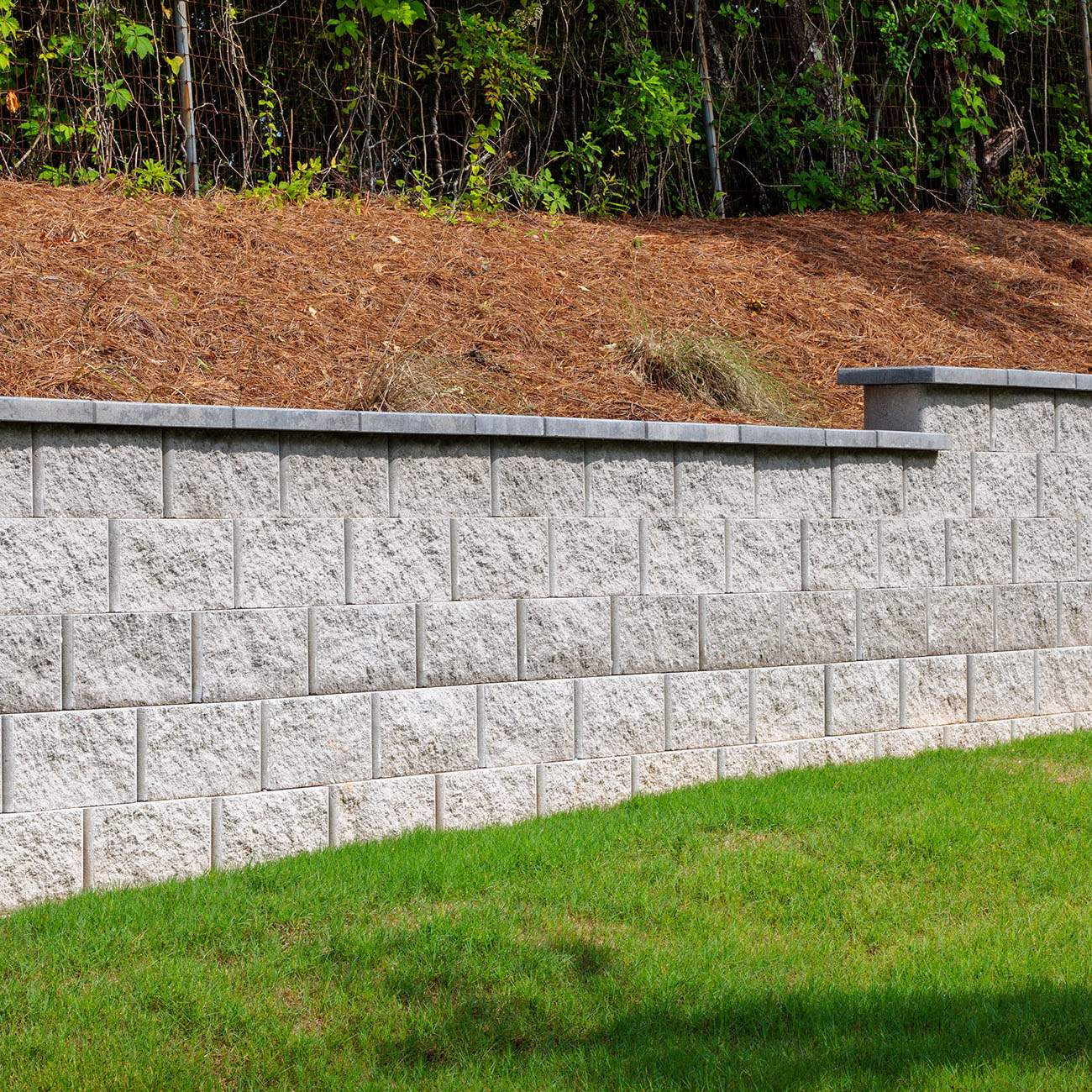
Storm-resilient retaining wall construction uses a combination of drain rock backfill, filter fabric, and weep holes or perforated pipe to relieve that pressure. For taller walls or walls supporting significant weight (like a raised patio or deck foundation), we always include a full subsurface drainage layer as a non-negotiable element of the design.
We back every retaining wall and hardscape project with our craftsmanship warranty. You can trust that we are not hiding any defects or cutting corners during construction. Our quality control and safety inspections happen throughout the build, not just at the end.
Construction & Renovation Process for Permeable Hardscaping
A storm-resilient hardscape renovation is not simply a matter of pulling up old concrete and laying new pavers. The construction sequence matters enormously for long-term performance.
Here is how our skilled craftsmen approach every permeable hardscape build:
- Discovery: We assess your site’s existing drainage, soil type, slope, and proximity to structures. This shapes every material and design decision that follows.
- Design: Our team produces 3D renderings showing your finished patio, driveway, pathway, or wall system. You see exactly what you are approving before construction begins.
- Permit Acquisition: For projects requiring city approval, we handle all permit applications and San Diego municipal compliance so you do not have to navigate that process alone.
- Sub-Base Preparation: We excavate to the correct depth, install compacted aggregate sub-base material suited to your soil conditions, and lay filter fabric where needed. This step is where most budget builders cut corners. We do not.
- Surface Installation: Permeable pavers, pervious concrete, or open-grid systems are installed to exact tolerances. Joint aggregate is seated and compacted correctly for both structural performance and drainage flow.
- Drainage Integration: Edge restraints, catch basins, channel drains, or bioswale connections are installed to manage overflow during major storm events.
- Final Inspection and Walkthrough: We conduct a quality control inspection and walk through the completed project with you before we consider it done.
Throughout every step, you receive daily progress updates and direct communication from our team. No surprises. No guesswork.
Why Choosing the Right Builder Matters for Storm-Resilient Permeable Hardscaping
The first question every homeowner asks is: “Can’t any contractor install permeable pavers?” Technically, yes. But storm-resilient permeable hardscaping requires a builder who understands subsurface hydrology, local soil conditions, municipal drainage compliance, and long-term structural performance together.
We founded Mercury Builders specifically because founder Tal Sharf saw too many projects delivered with poor communication, shortcuts in sub-base preparation, and drainage problems that only showed up after the first big storm. That experience is directly why storm resilience is built into how we approach every hardscape and landscape renovation we take on.
As a boutique design and construction company, we only work with a limited number of homeowners at a time. That means your project receives our full attention from the discovery call through your final walkthrough.
We serve San Diego County communities including Del Mar, La Jolla, Encinitas, Carlsbad, Coronado, Rancho Bernardo, Poway, Rancho Penasquitos, Olivenhain, Cardiff-by-the-Sea, and many more. If you are ready to discuss your hardscape renovation goals, call us at (619) 452-982\9, Monday through Friday, 8:00 AM to 6:00 PM.
Storm-Resilient Permeable Hardscaping Best Practices for San Diego Homeowners
Not every permeable hardscape project is the same. The right approach depends on your specific yard, soil type, existing drainage infrastructure, and how you use your outdoor spaces. Here are the practices we consider essential for every successful storm-resilient hardscape renovation in San Diego County.
Size Your Sub-Base for the Worst Storm You Can Expect
A permeable surface is only as good as the reservoir capacity beneath it. EPA guidance focuses on treating the “first flush,” the initial and most polluted runoff from a storm event. We design sub-base depths to hold that volume and more, giving your yard time to infiltrate even during fast-moving winter storm systems.
Use Edge Restraints and Overflow Routing
Every permeable patio, driveway, or pathway needs clearly defined overflow routing for events that exceed the system’s capacity. This means designing positive drainage paths that direct excess water away from your home’s foundation and toward landscape bioswales or storm drain connections.
Maintain Your Permeable Surfaces Annually
Sand and fine sediment are the enemy of permeable joint aggregate. We recommend annual pressure washing of PICP installations and periodic top-dressing of joint aggregate to maintain infiltration rates over time. Our team provides written maintenance guidance with every project so you know exactly what to do and when.
Combine Permeable Hardscape with Low-Water Landscaping
The most storm-resilient outdoor spaces use permeable hardscape and drought tolerant landscape planting together. Low-water plants with deep root systems enhance soil infiltration around paved areas, add a natural overflow buffer, and reduce the total impermeable surface area of your property. Explore our lower-water landscape design services to see how we integrate both disciplines into a single cohesive project.
Get a Proper Site Assessment Before Any Construction Begins
Measure twice, cut once. Our Discovery phase includes a full site walk, drainage flow analysis, and soil evaluation before any design work begins. Skipping this step is how otherwise beautiful hardscape renovation projects end up with drainage problems that cost far more to fix than to prevent.
Permeable Hardscaping for Specific Outdoor Spaces: What Works Best Where
Different areas of your property present different challenges and opportunities for storm-resilient permeable hardscaping. Here is a quick reference for the most common applications.
| Outdoor Space | Best Permeable Option | Key Benefit |
|---|---|---|
| Driveway | Permeable interlocking concrete pavers (PICP) | High load capacity, excellent drainage, strong curb appeal |
| Patio | PICP or pervious concrete | Keeps surface dry faster after rain, protects foundation |
| Deck surround | Open-grid or crushed gravel system | Prevents footing saturation, reduces wood decay risk |
| Landscape pathway | Decomposed granite or stepping stones with open joints | Low cost, natural aesthetic, full permeability |
| Retaining wall base | Drain rock backfill with perforated pipe | Relieves hydrostatic pressure, prevents wall failure |
| Front yard / entry | Porous paver border with planted bioswale strip | Manages street-level runoff, improves curb appeal |
Our patio design and installation team helps you select the right permeable system for each zone of your property, with materials that match your home’s style and your budget. We handle every phase of the construction process so you have one point of contact from start to finish.
If your outdoor renovation includes a shaded patio area, our patio pergola and cover installations are designed to work in concert with permeable surfaces beneath, routing roof runoff away from the patio slab and into your landscape drainage system.
Conclusion: Build a Smarter Outdoor Space with Storm-Resilient Permeable Hardscaping
Storm-resilient permeable hardscaping is the single most effective upgrade you can make to protect your San Diego property from stormwater damage while improving the beauty and function of every outdoor space you own.
Whether you are planning a full backyard renovation, upgrading your driveway, installing a new patio or deck, rebuilding a retaining wall, or redesigning your landscape from scratch, the right permeable hardscape system turns storm events from a threat into a managed, predictable outcome your property handles with ease.
We are Mercury Builders, San Diego’s trusted design-build hardscape and landscape contractor. Our team brings expert craftsmanship, full permit management, 3D design visualization, and our proven 4-step process (Discovery, Design, Build, Warranty) to every project we take on. We back every installation with a 2-year craftsmanship warranty and daily project communication so you always know exactly where your renovation stands.
You deserve an outdoor space that works as hard as it looks. Call us today at (619) 452-9829 or schedule your free consultation online. We work with a limited number of San Diego homeowners at a time, so reach out now to secure your project spot.
“Measure Twice, Cut Once. Every storm-resilient permeable hardscaping project we design starts with a thorough site assessment because getting the sub-base and drainage right from the start is far less expensive than fixing it after the first big storm.”
Frequently Asked Questions
Is storm-resilient permeable hardscaping worth it in 2026 for a San Diego home?
Absolutely. In 2026, storm-resilient permeable hardscaping is one of the highest-value outdoor improvements a San Diego homeowner can make, combining property protection, water quality benefits, and potential compliance advantages for properties in low-impact development (LID) zones. The upfront cost is recovered through reduced erosion repair, foundation protection, and landscape bed replacement costs over time.
What is the difference between permeable pavers and regular concrete for a patio?
Regular concrete sheds nearly all rainfall as surface runoff, which can pool around foundations and erode landscape beds. Permeable pavers used in a storm-resilient hardscape system allow water to infiltrate through the joints and into a gravel sub-base, where it slowly filters into the soil. For patio applications, this means a drier surface faster after rain and far less risk of water damage to nearby structures.
How do I maintain permeable hardscaping after installation?
The main maintenance task for permeable interlocking paver systems is annual or biannual cleaning to remove sediment that can clog the permeable joint aggregate. A pressure wash followed by re-sanding the joints typically restores full infiltration performance. We provide a written maintenance plan with every storm-resilient hardscape renovation we complete.
Can permeable hardscaping be installed around an existing deck?
Yes. Retrofitting storm-resilient permeable hardscaping around an existing deck is a common renovation project. We replace impermeable surface material around the deck with an open-grid gravel system or permeable pavers, improving drainage at the footing level and reducing the moisture conditions that contribute to deck substructure deterioration.
Does a permeable retaining wall cost more than a standard wall?
A properly drained retaining wall does involve additional material costs for drain rock backfill, filter fabric, and perforated pipe. However, a wall built without drainage will fail faster and cost far more to repair or replace. Storm-resilient retaining wall construction is simply the correct standard of quality, not an optional upgrade, and we build every wall this way by default.
What areas of San Diego does Mercury Builders serve for hardscape projects?
We serve homeowners throughout San Diego County for hardscape renovation and landscape construction projects, including Del Mar, La Jolla, Encinitas, Carlsbad, Rancho Bernardo, Rancho Penasquitos, Poway, Olivenhain, Cardiff-by-the-Sea, Coronado, and many other communities. Contact us to confirm availability in your specific area.
How long does a permeable hardscape renovation take from start to finish?
Most residential storm-resilient permeable hardscaping projects run one to three weeks of active construction time, depending on the scale of the patio, driveway, or landscape area being addressed. Our full process from initial consultation through permit acquisition and build typically spans four to eight weeks total, and you receive daily updates throughout so there are never any surprises.