Choosing the right ADU floor plan is one of the most important decisions in the entire design and construction process. In fact, 54% of new ADUs are designed to be under 800 square feet, showing how strongly homeowners now prioritize efficient layouts that maximize comfort while minimizing construction costs.
1. Start With the Purpose of Your ADU
Before selecting a floor plan, we always ask homeowners one simple question. What role will the ADU play in your life?
Some units support rental income, while others serve aging parents, adult children, or private guest suites. The purpose directly shapes layout decisions such as bedroom placement, bathroom size, and outdoor access.
When we design ADUs, we align every wall, hallway, and window with the homeowner’s long term goals. A thoughtful plan ensures the space remains functional for many years.
Common ADU purposes include:
- Long term rental units
- Multi generational living
- Guest houses
- Private home offices
- Future downsizing spaces
2. Understand the Most Popular ADU Layout Types
Different properties benefit from different ADU configurations. The right floor plan depends on lot size, access points, and how the main home is positioned.
We guide homeowners through several common layout options during the design stage. Each one offers unique advantages depending on the property.
| Layout Type | Best For |
|---|---|
| Detached ADU | Maximum privacy and rental potential |
| Garage Conversion | Lower construction costs |
| Attached ADU | Shared utilities and easier access |
| Above Garage | Maximizes smaller lots |
The goal is not just adding square footage. It is creating a comfortable living environment that feels intentional and private.
3. Balance Square Footage With Smart Layout Design
A successful ADU does not depend on size alone. It depends on how efficiently the interior space is organized.
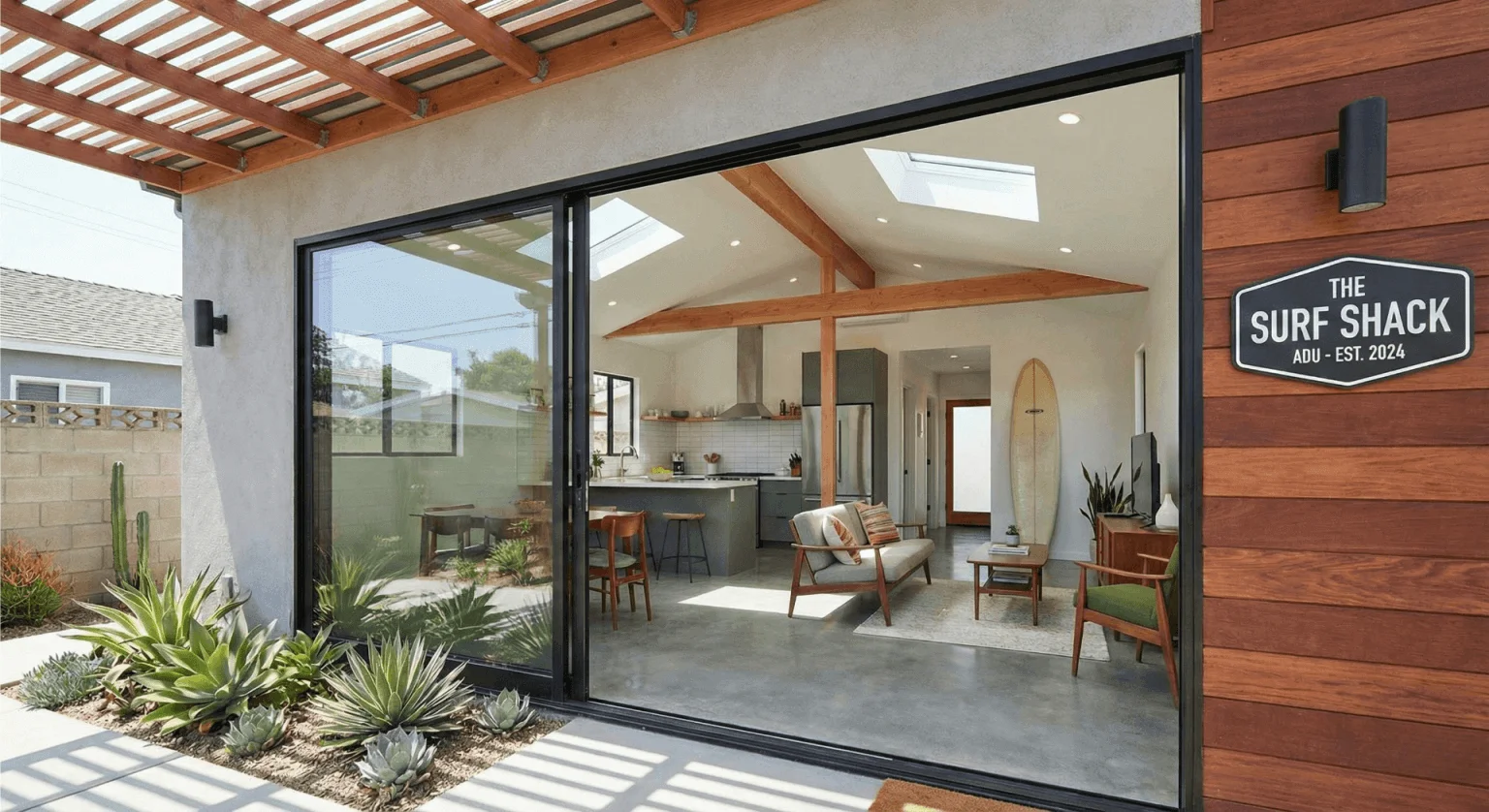
Open living areas, minimal hallways, and thoughtful window placement can make a small unit feel spacious. Vaulted ceilings and large sliding doors also help extend the visual space toward a patio or deck.
We often recommend prioritizing:
- Open living and kitchen areas
- Natural lighting along exterior walls
- Multi functional furniture zones
- Clear circulation paths
4. Integrate Outdoor Living Into the Floor Plan
Outdoor living space dramatically improves how an ADU feels. Even a compact layout becomes more comfortable when it opens to a small patio or deck.
Sliding doors and covered patios help blur the boundary between indoor and outdoor living. The result is a home that feels larger without increasing construction costs.
Well planned outdoor areas often include:
- Private patio seating areas
- Deck access from the living room
- Hardscape pathways connecting the main home
- Landscape buffers for privacy
5. Plan the Kitchen and Bathroom Layout Carefully
In a smaller home, kitchens and bathrooms carry more functional weight. Their placement within the floor plan should minimize plumbing runs and maximize usable space.
We often position these areas along shared utility walls to simplify construction. This approach reduces renovation complexity and keeps costs predictable.
Smart ADU kitchen and bathroom planning includes:
- Compact appliance layouts
- Stacked washer dryer zones
- Space efficient cabinetry
- Walk in or curbless showers
6. Design Interior Walls for Privacy and Flexibility
The position of every interior wall influences how the ADU functions. Privacy between living areas and bedrooms is particularly important for rental units.
We often use split bedroom layouts or flexible partitions. These allow the home to adapt as family needs change over time.
Helpful wall design strategies include:
- Bedrooms located away from the entry
- Shared plumbing walls between kitchen and bathroom
- Closet walls for sound insulation
- Sliding or pocket doors in tight spaces
7. Consider Property Layout, Landscape, and Hardscape
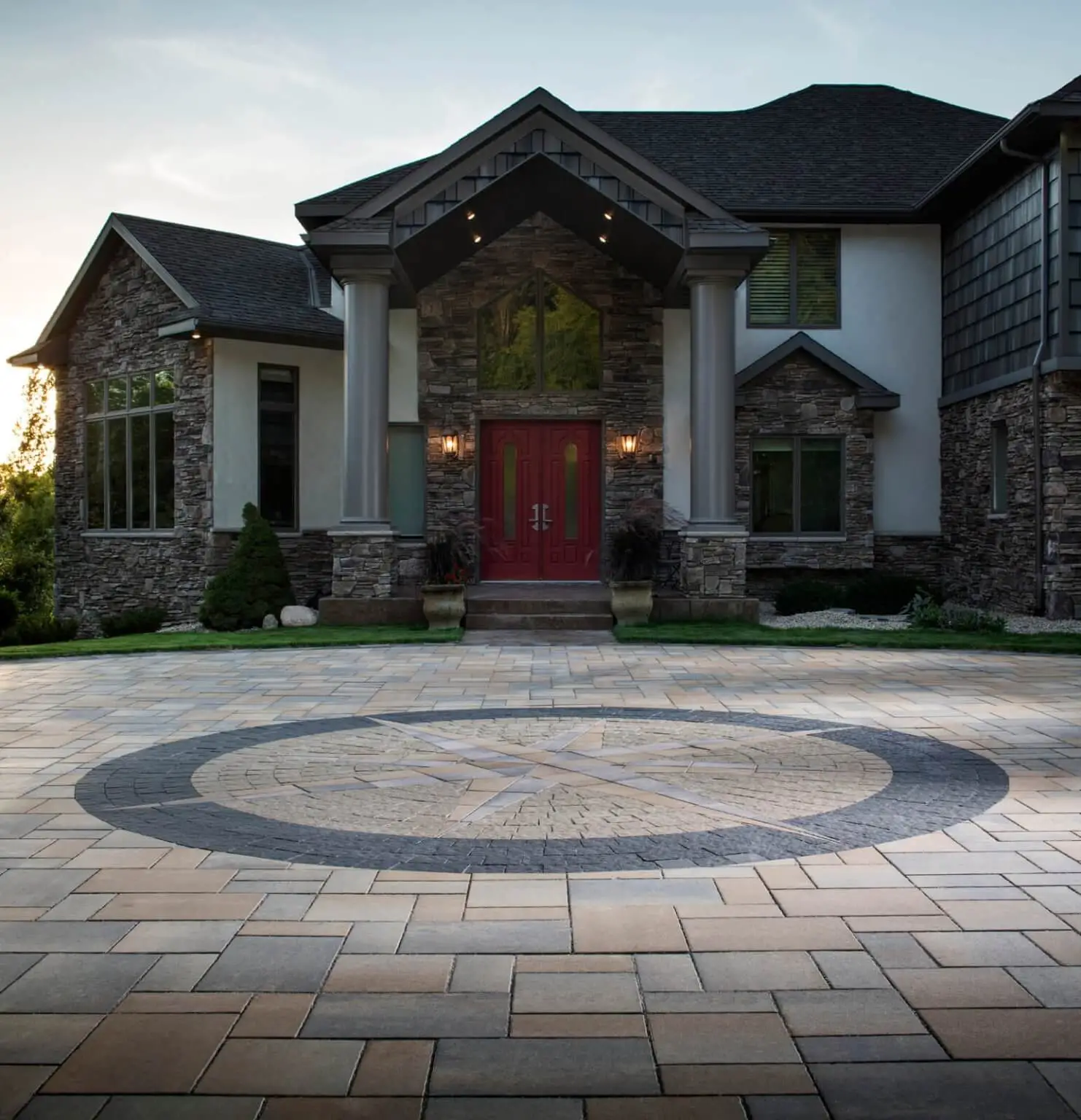
A strong ADU floor plan responds to the property around it. Landscape features, existing trees, and hardscape paths all influence how the structure should sit on the lot.
Thoughtful placement protects privacy for both the main home and the new unit. It also ensures the ADU receives natural light while maintaining comfortable outdoor space.
We typically evaluate:
- Sun exposure throughout the day
- Access paths and driveway locations
- Landscape buffers between homes
- Deck or patio orientation
8. Think About Long Term Flexibility
An ADU floor plan should support your life not just today but ten years from now. Flexible layouts allow the unit to shift between rental, guest space, or family living.
We often recommend features that support aging in place and future accessibility. Small adjustments today prevent costly renovations later.
Future friendly design ideas include:
- Wider doorways
- Curbless showers
- Main level bedroom layouts
- Convertible office spaces
9. Work With an Experienced Builder From the Beginning
Floor plans are only successful when they align with construction realities. An experienced builder helps balance design vision with structural and permitting requirements.
Our design build approach allows homeowners to see 3D plans before construction begins. This ensures the final layout works both visually and practically.
A knowledgeable builder provides:
- Permit planning and zoning guidance
- 3D floor plan previews
- Construction cost clarity
- Coordination between design and build teams
10. Review Real Projects Before Finalizing Your Plan
Seeing completed ADU projects often clarifies what works best. Photos reveal how layouts function in real homes rather than just drawings.
We encourage homeowners to review completed renovations and construction projects before committing to a final floor plan. This helps identify practical design decisions that improve daily living.
Look closely at:
- Kitchen layout efficiency
- Bedroom privacy
- Outdoor patio access
- Landscape integration
Choosing the best ADU floor plan requires more than selecting a size or layout. It requires thoughtful planning around lifestyle, construction realities, and the property itself.
When we guide homeowners through this process, we focus on clarity and collaboration. The goal is a space that feels intentional, comfortable, and built with craftsmanship you can trust.
A well planned ADU integrates seamlessly with the home, the landscape, and the people who live there. When those elements come together, the result is a living space that adds lasting value to the entire property.
What is the best ADU floor plan size?
Most homeowners choose layouts between 500–800 sq ft because they balance cost, comfort, and rental flexibility.
Where can I see sample layouts?
Browse example designs on San Diego County website – https://www.sandiegocounty.gov/content/sdc/pds/bldg/adu_plans.html
Who should design my ADU?
Working with an experienced San Diego ADU builder ensures layouts follow zoning rules and maximize livability.
Can an ADU increase property value?
Yes. A well-designed unit with efficient layout and outdoor space often increases property value and rental potential.
What construction steps are involved?
The process typically includes design, permits, and full ADU construction.
Can an ADU include outdoor features?
Yes. Many homeowners integrate patios, decks, and landscaping.