The most important decision when choosing lighting is whether to go with traditional incandescent or halogen bulbs, or embrace modern LED technology. While classic bulbs provide a warm, nostalgic glow, LED (Light Emitting Diode) lighting has become the clear favorite in contemporary remodeling thanks to its superior efficiency, longevity, and versatility.
Longevity of Home Interior Lights
For fixtures installed in hard-to-reach areas like tall ceilings, stairwells, or vaulted living spaces the exceptional lifespan of LEDs (often 25,000 to 50,000 hours) means far fewer bulb changes. This reliability adds convenience and safety, especially in homes with multiple recessed fixtures.
Interior Lighting Design Flexibility
Because LED chips are small and efficient, they allow for sleeker, more innovative fixture designs. Think ultra-thin wafer lights, minimalist architectural downlights, and low-profile under-cabinet strips. This flexibility gives designers the freedom to create clean, modern spaces without bulky housings or visible bulbs.
Navigating Home Lighting Regulations: Title 24 Requirements
If you’re remodeling in California, Title 24, Part 6 of the California Energy Code sets the standard for energy efficiency, and lighting, plays a major role.
Key Requirements for Code Compliant Interior Lighting
High-Efficacy Fixtures
Title 24 mandates the use of high-efficacy lighting fixtures that deliver more lumens per watt. In practice, this means using LED technology for all new, permanently installed fixtures.
Mandatory Lighting Controls
Nearly all fixed lighting must include dimming capabilities to reduce energy consumption and offer adjustable brightness.
Automatic Shut-Offs
Certain rooms (bathrooms, laundry rooms, garages, and utility spaces) require vacancy sensors, manual-on, automatic-off devices, that prevent lights from being left on unnecessarily.
Kitchen Lighting Rule
In kitchen remodels, at least 50% of the total rated wattage must come from high-efficacy (LED) sources.
Pro Tip
If your project requires a permit, ensure your lighting layout, fixtures, and controls are designed to comply with Title 24 from the outset. Non-compliance can lead to costly redesigns or inspection delays later.
The Quality of Lighting: Low-Flicker Technology
Not all LEDs are created equal. High-quality lighting isn’t just about brightness, it’s about comfort and performance. One key differentiator is flicker rate.
What Is Flicker?
Light flicker is the rapid fluctuation in brightness caused by variations in electrical current (AC power). Though often imperceptible to the eye, it can still impact comfort and health.
Reduced Eye Strain
Eliminates micro-flicker that can cause fatigue, headaches, or migraines.
Enhanced Visual Comfort
Provides a steady, continuous light output that supports focus and productivity in workspaces or kitchens.
Camera-Friendly Illumination
Prevents the rolling-band effect that appears on camera during video calls or content creation. High-quality LEDs use advanced drivers to convert AC power into a stable DC current, ensuring consistent, flicker-free illumination throughout their lifespan.
How LED Lights Can Affect Remodel Cost & Electricity Bills
LED lighting dramatically reduces long-term costs by using up to 80% less energy than incandescent or halogen bulbs. Beyond lower monthly utility bills, LEDs have minimal replacement need, lasting 15–25 times longer! This allows a homeowner to save both money and maintenance effort over the life of your remodel.
Fixture Types, Applications and Recommendations for Lighting Upgrades
A truly functional lighting plan layers Ambient (general), Task (focused), and Accent (decorative) lighting to create balanced illumination and visual depth
Recessed Lighting Options
Traditional Can Lights
Utilize a metal housing that accommodates replaceable bulbs. Still useful in remodels where insulation contact or retrofit constraints exist.
Canless/Wafer Lights
Ultra-thin, integrated LED units that wire directly to junction boxes ideal for minimalistic ceilings. Require minimal clearance and provide even, diffuse light.
Best for kitchens, living rooms, hallways. Use wide beam angles (90°+) for ambient lighting and narrower beams (40°–60°) for task or accent effects.
Ceiling Fan Lights
Pros
Combines airflow and illumination perfect for bedrooms or casual spaces.
Cons
Limited brightness compared to dedicated lighting; fan blades can create minor strobing if paired with low-quality LEDs.
Pro Renovation Tip
Choose a high-CRI, low-flicker LED module designed for ceiling fans to ensure even light distribution.
Pendants & Chandeliers Pendants
Pendants
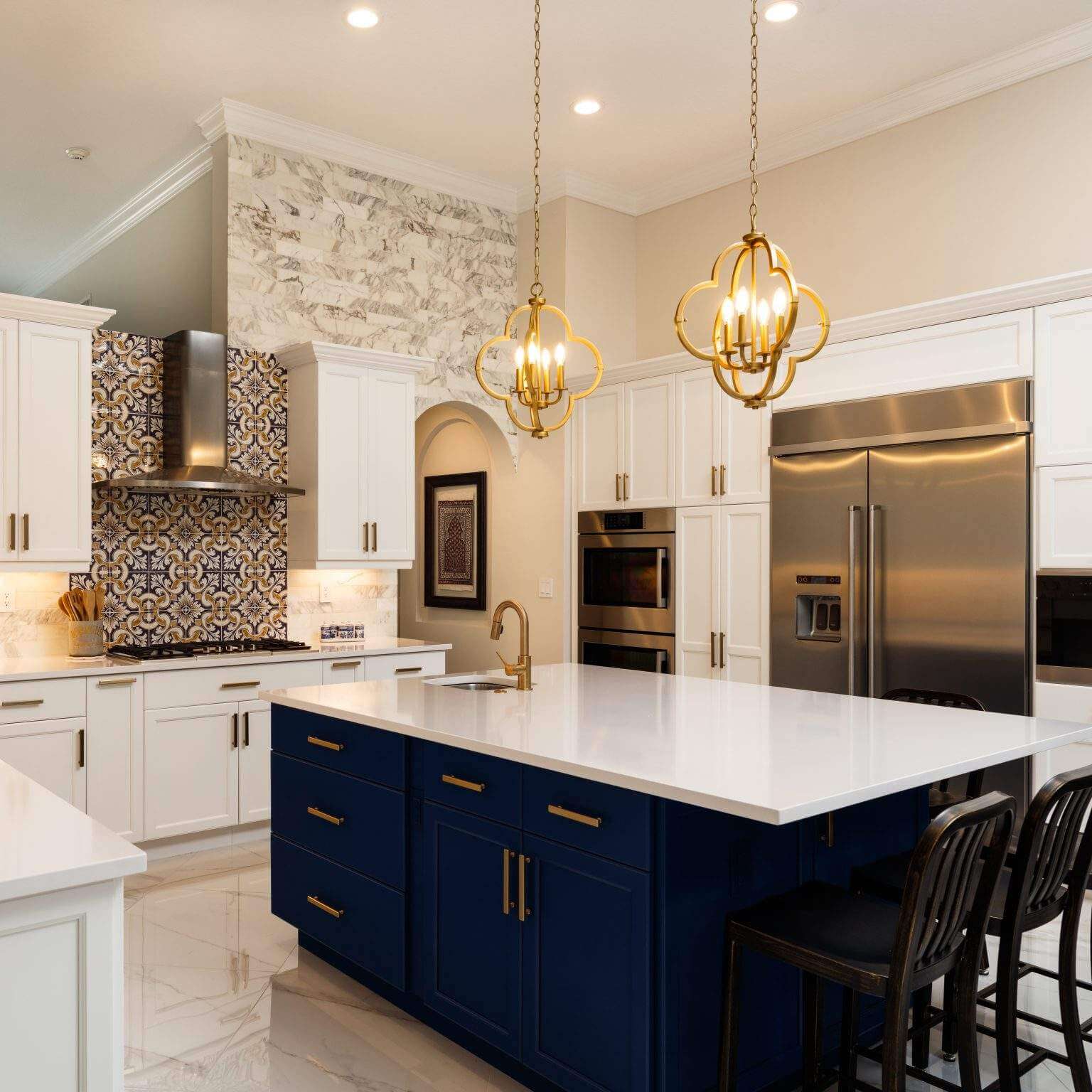
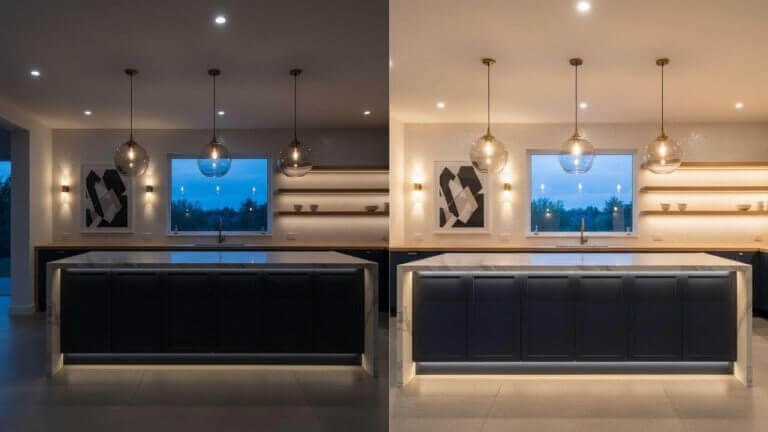
Provide functional light and style, ideal for kitchen islands, dining nooks, or bedside illumination.
Chandeliers
Act as centerpiece fixtures, offering both statement and soft ambient light.
TIP: Use dimmable LEDs and smart controls to tailor the ambiance for different occasions.
4) Wall Sconces
Perfect for bathroom vanities, hallways, or living rooms to introduce warmth and depth. Mount vanity sconces at eye level (approx. 60–66 inches from floor) to minimize shadows and create flattering illumination.
The Very Best Home Lighting Options For Your Home Remodel
Luxury Lighting & High-End Brands
Luxury lighting is where function meets art a fusion of craftsmanship, materials, and light quality. Leading names like Flos, Artemide, Louis Poulsen, Tom Dixon, Visual Comfort, and Baccarat define modern luxury with handcrafted materials hand-blown glass, polished brass, alabaster, and sculptural silhouettes.
Advanced Home Lighting Systems
High-end homes often feature kinetic or modular systems architectural lighting that shifts in color temperature, direction, or configuration via app or smart control.
Focus on Color Rendering (CRI)
Premium LEDs feature a Color Rendering Index (CRI) of 90+, ensuring accurate color perception across surfaces, fabrics, and artwork. This is crucial in kitchens, bathrooms, and galleries where material finishes and tones must appear true to life.
A successful lighting plan goes far beyond fixture selection. It’s about layering light intentionally balancing ambient, task, and accent illumination, while using the most efficient, low-flicker, high-CRI LED technology available. When you align design goals with energy regulations like Title 24 and invest in quality fixtures and bulbs, you’re not just lighting a room, you’re elevating comfort, aesthetics, and long-term value.